Pickering Labs would like to congratulate our winners of our last newsletter’s AAA quiz: Helene Lachance from Shur-Gain Nutreco, Joy Gottlieb from New Mexico Department of Health Scientific Lab Division, Tom Schneider from Suffolk County Water Authority, and Narjes Ghafoori from LA County Environmental Toxicology Lab!
They have each won and will shortly be receiving: A fabulous Godiva gift basket from www.winecountrygiftbaskets.com! “It’s easy to celebrate with this chocolate collection…!
We hope our quiz winners enjoy this infusion of February cheer.
Thank you all for your submissions!
The correct answer to the Amino Acid Analysis quiz:
Although we gave credit for answers indicating Trione oxidation, the correct answer was actually a reduced reactor temperature! When the reaction was performed inside the heated reactor at a temperature of 120°C rather than 130°C, the peak areas are approximately 2/3 of their original size. Similar results could also be expected with reduced dwell times or reactor volumes.
Chromatography Quiz #22: Carbamates Analysis
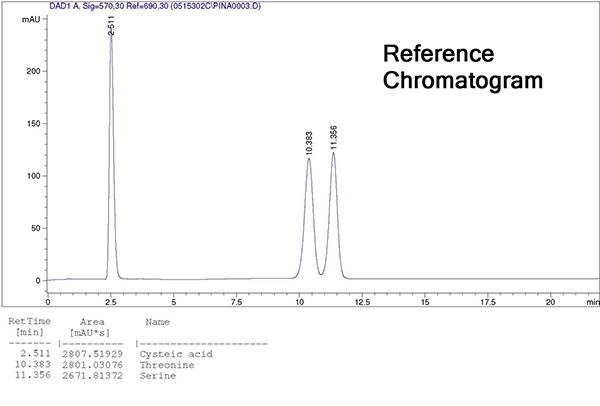
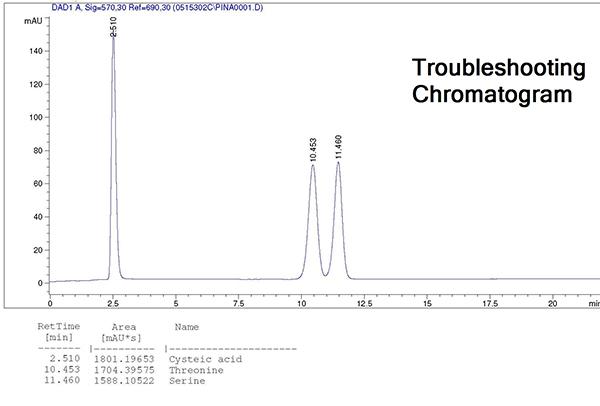
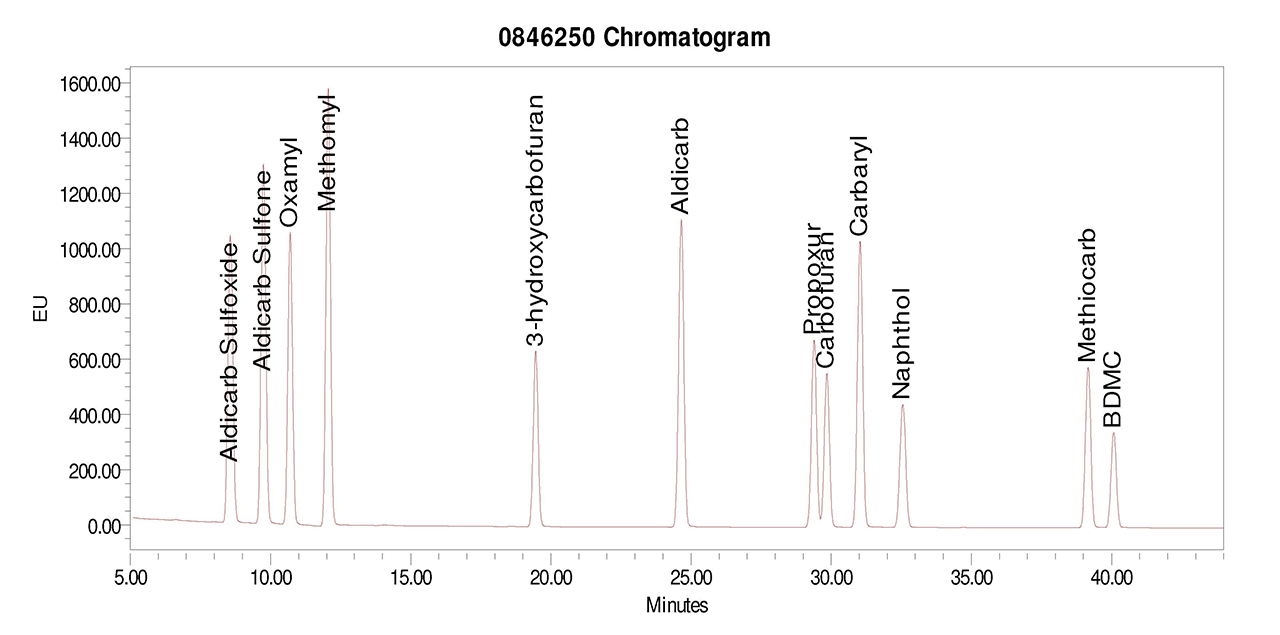
Identify the error made when running the Carbamates chromatogram below and win a prize! Simply email your answer as well as your full contact information to Rebecca at rlsmith@pickeringlabs.com by March 15th, 2016 in order to win. You will receive email confirmation that your submission has been received. The answer to the quiz and winner congratulations will be published in the next issue (to be anonymous, please notify Rebecca in submission).
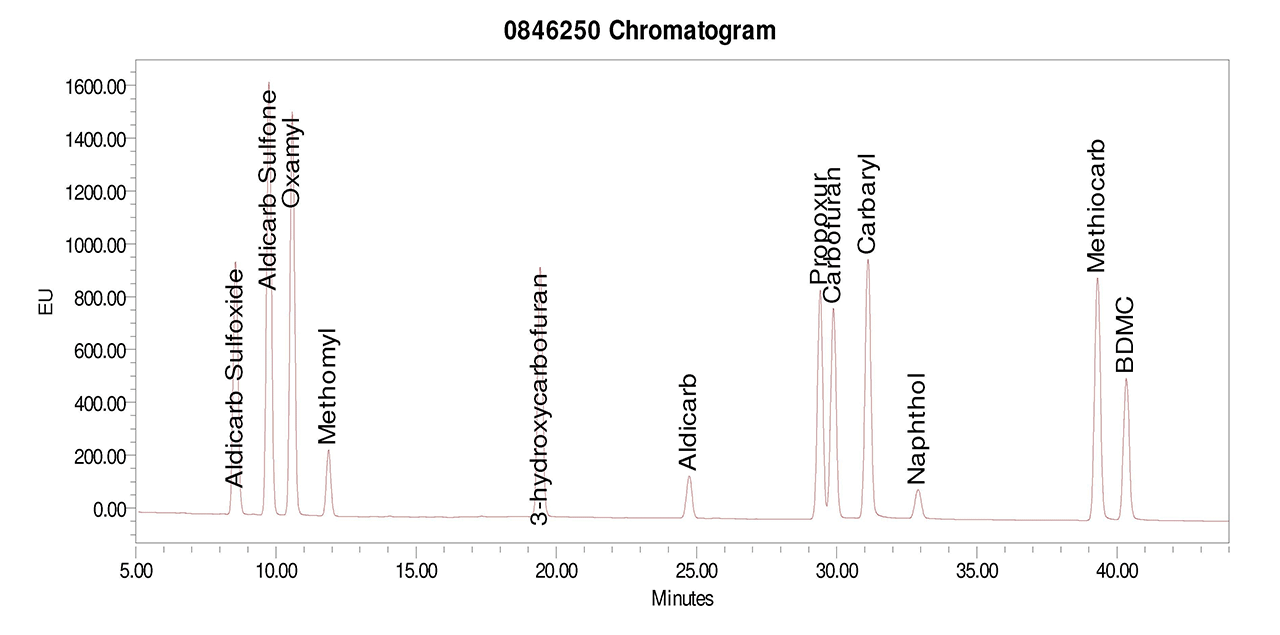
Carbamate Analysis for US EPA Method 531.1
Pinnacle PCX post-column instrument (two-pump) is being used in a traditional HPLC setup as recommended by Pickering Laboratories. The reference chromatogram and troubleshooting chromatogram are both shown. Can you identify the error made when running the chromatogram?
During 2015 AOAC International meeting, Maria Ofitserova participated in several panels meetings and discussions.
Stakeholder Panel on Dietary Supplements (SPDS) had a full day meeting addressing several interesting topics. The panel received the updates from the working groups and issued a call for Methods and Experts in areas of analysis of Ashwagandha, Cinnamon, Folin C and Kratom. Standard Method Performance Requirements (SMPRs) presented by the Tea Supplement working group and Aloin working group were discussed and approved. SPDS also launched three new working groups (Turmeric, Lutein and Collagen) that were meeting the next day to start reviewing fitness for purpose and standard method performance requirements.
Stakeholder Panel on Infant Formula and Adult Nutritionals (SPIFAN) had a busy meeting on Saturday. The panel got updates on the group efforts to introduce SPIFAN Official Methods to CODEX and other international activities. Of the particular interest during this meeting was the presentation given on Chinese perspective on contaminants in milk and milk powder. The presentation brought better understanding of how regulations and methods approval process works in China. We also heard an update on long-standing issue of Whey protein/casein ratio in infant formula and milk powder.
SPIFAN Expert Review Panel met to discuss several methods submitted for First Action Status, Final Action Status and Dispute Resolution status. This year SPIFAN ERP was named “Expert Review Panel of the Year”.
Pickering is looking forward to continue its work as part of AOAC.
Artificial Eccrine Perspiration and Consumer Goods Testing
American Association of Textile Chemists and Colorists (AATCC) is a worldwide association of professionals active in textile wet processing. It was my great pleasure to join the AATCC regional California meeting in San Francisco and meet all of the other new members. AATCC approved the new chapter, and it will be great to work with these textile professionals more in the near future. Recently, AATCC also published a great article about artificial perspiration and how it impacts the textiles and wearable technology industries. I am including more information below, but please check out the article at: http://www.aatcc.org/pub/aatcc-news/newsletters/1015b-story1/
Perspiration mimics have long been used by many industries to “sweat test” products such as textiles, dyes, cosmetics, credit cards, shoe leather, jewelry, and forensic fingerprint I.D., etc. Normally, a sweat mimic is concocted at the time of the test from a formula that varies by industry. The industry-specific formulas contain only two to four components that represent a specific challenge: corrosion, textile staining, dye bleeding, magnetic strip damage, etc.
The American Society for Testing and Materials (ASTM) describes procedures to test many products in the presence of a sweat mimic. According to Michael Pickering, “we were guided by the multiplicity of such tests to develop an artificial perspiration that can yield reproducible results independent of the test.”
Pickering Laboratories created an eccrine solution that allows standardization across all industries; it is the only formula that can satisfy all test challenges. To facilitate tests on such materials as leather or cosmetics, where culture growth is the challenge, non-preserved formulas are available.
Reproducible Results Anywhere, Anytime
A typical example of sweat testing in the jewelry industry is to determine the amount of nickel released by perspiration from alloys of gold, nickel, platinum or palladium, called “white gold.” The nickel leached from these alloys by natural perspiration can cause allergic reactions. Increasing the amount of platinum/palladium in the alloy helps prevent the release of nickel but steeply increases the cost. The problem is thus to determine the minimum amount of noble metals necessary to keep the level of nickel released so as not to exceed the regulated level. The test specifications vary by country wherever nickel is permitted. Since the frequency of allergic reaction to nickel is high, the United States forbids the use of nickel in white gold formulations.
Reproducible artificial perspiration solutions are paramount to forensic fingerprint investigation. Latent prints are made visible by reagents like ninhydrin that dye amines found in eccrine perspiration. To check that a null result is actually the absence of prints and not the results of test failure, crime scene investigation technicians make a control print of their own finger on a similar surface. To standardize this control print, Crime Science, Inc. offers Swetcheck™ artificial perspiration manufactured by Pickering Labs and dispensed in single-use sterile swabs.
Applications
Consumer products testing laboratories and manufacturers that do sweat testing on materials such as textiles, dyes, cosmetics, credit cards, jewelry and metals, coatings and finishings, polymers, leather, wood, keyboards, and any other testing application that would benefit from guaranteed reproducible results with artificial perspiration.
Pickering Labs decided to place an increased awareness on Safety for 2015! Don’t get me wrong – laboratory safety is always critical. We have proper equipment for lifting heavy packages, we provide lab coats and goggles, our employees always use gloves, and we host ergonomics training. But none of these are especially glamourous, and I have to be careful not to schedule my spill cleanup presentations for right after lunch…
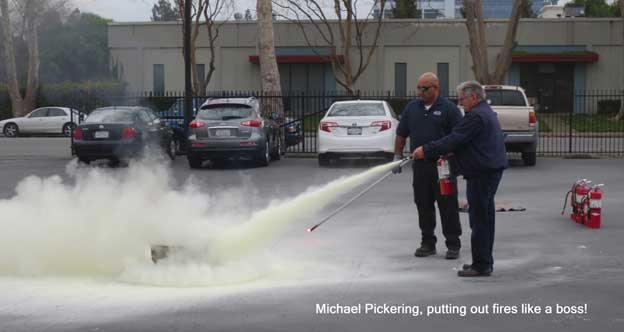
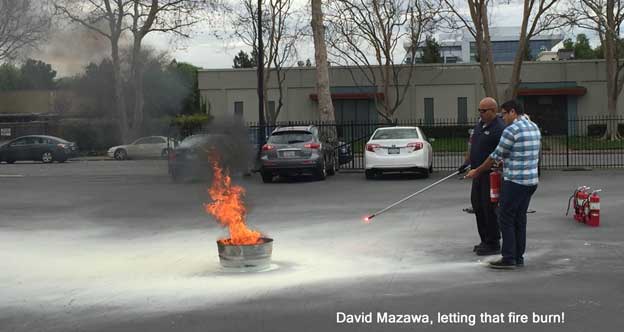
So this year, we really spiced up some of our safety meetings! Starting in January, we got the entire company out in the parking lot and had live fire training for proper extinguisher use. The group had a great time, and the Cintas trainers made fire safety really fun! Each person got to take a turn, and even Michael Pickering was out there wielding his ABC extinguisher with style.
If you’ve never had “live fire” training for your fire extinguisher class, let me be the first to recommend it. The whole group was buzzing with energy and excitement. It makes you really aware of how hard it is to twist and pull the pin, and how little time you have during an actual fire to get it extinguished. The trainers really did an excellent job of keeping the pressure on to put those fires out!
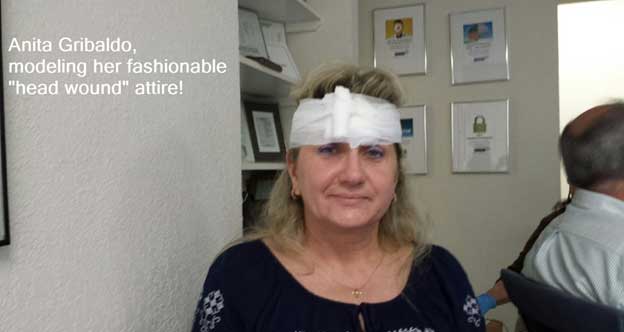
Next, our staff got together this summer and we took a basic First Aid course, supported by the installation of two new fabulous first aid kits! We paired up and treated “burns” and wrapped gauze around the “head wounds” of our partners. Again, much fun was had and we learned great first aid skills in the process. We only had one volunteer for the Heimlich maneuver, and sadly they didn’t wish for everyone to have a turn practicing!
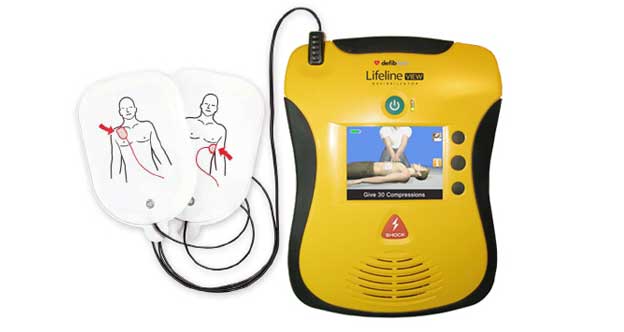
But seriously, one of the great things that actually came out of our first aid class was an overwhelming interest in having an onsite AED installed. The trainer from Cintas discussed some pretty powerful stuff – your chances of surviving cardiac arrest are significantly better with the use of a bystander automated external defibrillator. An American Heart Association paper from 2011 on resuscitation science that I just read (http://circ.ahajournals.org/content/124/20/2225.full) shows about a 3.5X times better survival rate (49.6% versus 14.3%), and that data is from a 2006-2009 study! (For more accurate information than I can give you from my random afternoon internet search, feel free to contact Cintas or another provider of safety training.)
The best part about the AED we selected is that there are step-by-step pictures AND verbal instructions for what to do. And of course it will not issue a shock unless the AED itself determines that there is a need. So, that takes the guesswork out of whether or not to use the AED during a health emergency (and nobody can chase a coworker around the lab, either).
So, now that we’re sold – what’s next?! We ordered the AED, sure, but there’s more to it than that. We have to register the AED with Stat PADS, the Medical Direction / Physician Oversight service that Cintas works with to provide AEDs. They work with the local Mountain View emergency medical services to post the location of our AED into their network, another requirement for having one onsite.
And last but not least, the whole company is getting CPR certified and trained on the AED! Our November safety meeting will be dedicated to this training, and our employees hopefully get a great day out of it. We will have five hours of training and catered lunch for our midday break!
So by now you’re probably thinking to yourself “that’s great, Rebecca, but what does all this mean for me?!” Well, it means that if you’re placing an order with Pickering Labs on November 17, you might consider emailing orders@pickeringlabs.com rather than calling. Everyone here will be busy practicing CPR on each other and we won’t be available to take your call! Phone calls will be returned before 9:00am PST and after 2:00pm on that day.
If you have urgent business, let me know and I will give you Michael Pickering’s cell phone number!
(An inside joke, as Michael doesn’t have a cell phone.)
Pickering Test Solutions are now available in bottle sizes of 200 mL, 950 mL and Carboys 10 mL – 20 mL
A large part of the research and development effort for Pickering Test Solutions line of artificial body fluids for product testing is responding to customer’s specific requirements for a testing protocol. Often a specific protocol is the beginning of a completely unique formulation for that customer.
Recently we are discovering that customers require more than the standard 200mL bottles for these products. With guidance from our customers we are now offering 950 mL and the Carboy 10 L – 20L size containers for many of the these products and offering cases purchases for these different containers.
We would like to congratulate our grand prize winners of our last newsletter’s word problem quiz: Helene Lachance from Shur-Gain Nutreco, Narjes Ghafoori from LA County Environmental Toxicology Lab, and Tom Schneider from Suffolk County Water Authority!
From Mrs. Prindables website, “Two fine apples come topped with a fair pair of fowl… sure to be gobbled up with delight. One Triple Chocolate Jumbo apple and one Milk Chocolate Walnut Pecan Jumbo apple topped with our whimsical new turkey ornaments. Make them the centerpiece of your Thanksgiving celebration. Sure to brighten your Fall gathering! Each apple weighs Approx. 1.25-1.5 lbs. Serves 8-10.
Additionally, we will be sending our winners a $100 gift card for Williams-Sonoma to aid in their Thanksgiving Day preparations!
We would like to thank all of you for your submissions!
Thank you!
Pickering Labs
The correct answers to the Michael Pickering Scavenger Hunt:
Question One:
Through what organization did Michael first meet Laszlo Torma, our recently retired Director of Technical Relations?
Answer: AOAC
Question Two:
To whom is the famous quote “Chance favors the prepared mind” attributed?
Answer: Louis Pasteur
Question Three:
How long was Michael’s train ride from Anchorage to Fairbanks?
Answer: Eight hours
Question Four:
What phthalate caused Michael so much consternation both during school and later in a customer’s laboratory?
Answer: Di-octylphthalate
Question Five:
Michael suggests recipe using saffron – what is he cooking?
Answer: Poached white fish with saffron infused lime sauce
Chromatography Quiz #20: Amino Acids Analysis
Identify the error made when running the Amino Acids chromatogram below and win a prize! Simply email your answer as well as your full contact information to Rebecca at rlsmith@pickeringlabs.com by December 15th, 2015 in order to win. You will receive email confirmation that your submission has been received. The answer to the quiz and winner congratulations will be published in the next issue (to be anonymous, please notify Rebecca in submission).
Amino Acid Analysis – Reduced Peak Areas
Pinnacle PCX post-column instrument is being used, in a traditional HPLC setup as recommended by Pickering Laboratories. The reference chromatogram and troubleshooting chromatogram are both shown. The quiz question: what is causing the reduced peak areas problem?
Hint: Please assume the same Trione reagent is being used for both chromatograms.
Normal/reference post-column conditions for amino acid analysis:
Reagent: Trione
Reactor: 130 °C, 0.5 mL
Reagent flow rate: 0.3 mL/min
Detection: UV-Vis Detector = 570 nm for primary amino acids, = 440 nm for secondary amino acids
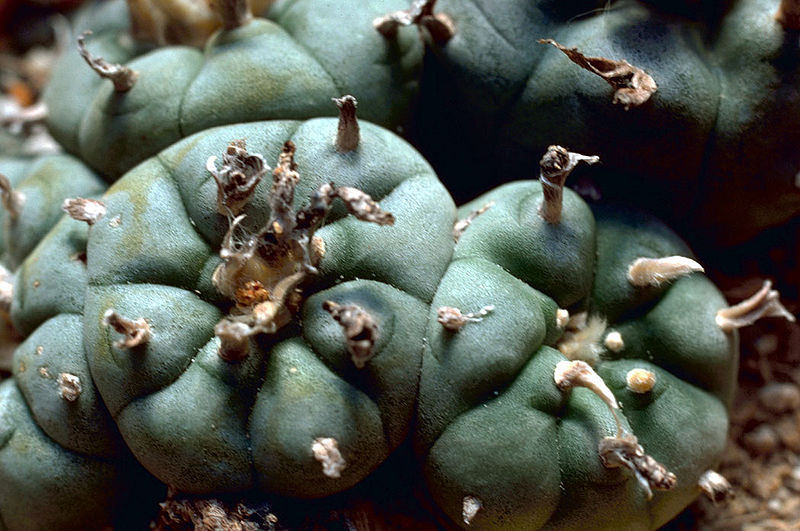
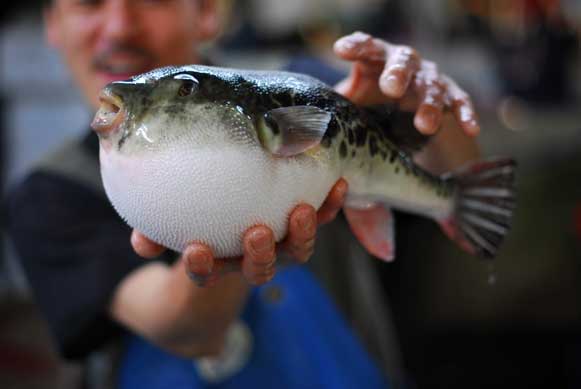
This name encompasses the category of chemicals that living organisms make which are not used in their normal growth, development, or reproduction. They are a staggering array of chemical structures and properties. Antibiotics are largely produced by bacteria, and a large variety of mammalian toxins are of fungal origin. Pigments are produced by both botanicals and insects. The peyote cactus, Lophophora williamsii, produces the hallucinogenic alkaloid mescaline. Fugu, the Chinese puffer fish, harbor symbiotically produced tetrodotoxin.
Puffer Fish at Japanese Market (2)The producers of these exotic structures usually must isolate them to keep them out of the traffic of their living processes. They can interfere with everyday life, or more often are toxic for the producer. Dalea emoryi (aka dyebush) makes an intense red pigment that it stores in blister-like vesicles on its bark. Coyotillo shrubs, Karwinskia humboldtiana, make deadly neurotoxins which they store in the seeds, discouraging browsing animals such as cattle, deer, and sheep from eating them. (You can read more about this plant in a previous newsletter: Coyotillo in Del Rio, Texas)
Lotus scoparius, or deer weed, makes a water-soluble flavinoid, which is a biodegradable germination inhibitor, and stores in its seeds. Upon first rain, this compound sterilizes the surrounding ground so that no seeds can germinate. The result is that competitive weed seeds rot. When the second rain comes, the deer weed seeds germinate with nothing but clear sky surrounding them.
Sometimes, we can see a competitive advantage of the presence of these chemicals: attracting pollinators, protective insects, or mates, or discouraging predators, competitors, or tramplers. But often not. Today’s musings are about two species (an insect and a botanical): Daclylopius coccus and Citrus sinensis.
"Gusano Rojo", Dactylopius coccus
Red dyes produced by insects have been and remain among the most important dyestuffs in human commerce. Before the Americas were exploited, the most abundant source of red pigments was the Asian scale insects and their excretions. This broad class of quinoid dyes bind permanently to proteinaceous substrates (in dye talk they are ‘fast’) such as wool and silk. Historically, they have also been used as art pigments.
Early in the 16th century, the Spanish introduced the world to the American cochineal, and the Asian scale insects were doomed to a mere historical reference.
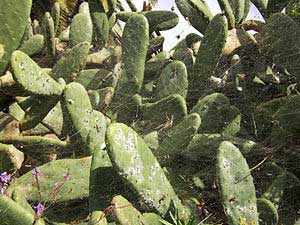
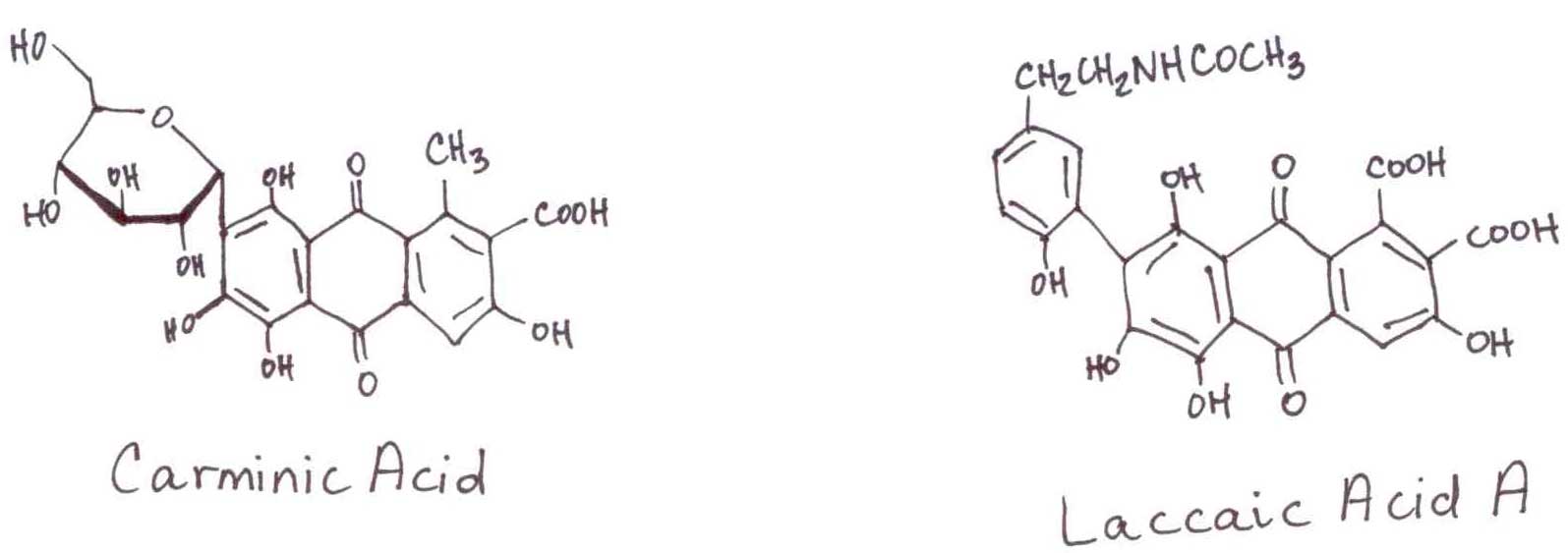
The females of this American species that feeds on cactus provide the popular Latino name “red worm.” Interestingly, Dactylopius coccus is not actually a worm, but is part of the cochineal family. By dry weight, the females can produce an astounding double digit percentage of pigment. The pigments have great variation of color and intensity (Carminic Acid extinction coefficient 6800, Laccaic Acid A extinction coefficient 43700). The commercial growers of the pigment use the cactus Indian Fig Opuntia (Opuntia ficus-indica) to feed the caterpillars, whose fruit and tender young shoots are also popular in Latino diets. The same insects in a blue agave farm are considered a pest.
Because of the significance of these insect-derived pigments in human history, they are the subject of anthropological study in ancient art. In 2004, we were invited into the study by the Department of Conservation and Scientific Research of the Smithsonian Institute. Although the pigments have long wavelength chromophores (little or no interference) and large extinction coefficients, the sample size is only 2-5 ng to minimize damage. As the pigments are only a small component of the sample, adequate detection requires a post-column reaction to make the pigments fluorescent. We made them an inert system as the reagent AlCl3 is a powerful reducing agent, which translates as very corrosive to hardware. During the reaction, the Al3+ reduces the quinone to a hydroquinone, which chelates the spent Al3+ and makes the entire complex fluorescent.
Oranges, Citrus sinensis
Valencia oranges produces two main bitter principles, Limonin, a terpenoid, and Naringin, a flavenoid, which it mainly stores in its seeds. The seeds are easily removed when the fruit is harvested for juice. Lacking seeds, the navel orange must develop a different storage strategy.
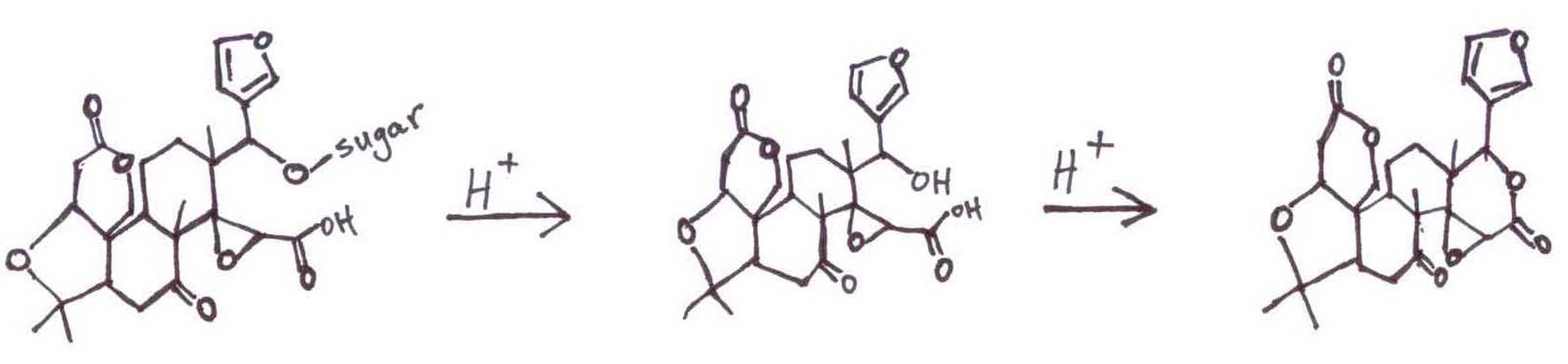
The navel orange stores the Limonin and Naringin as tasteless precursors (at neutral pH) in the peel, concentrated in the vestigial seed, the navel end. When the orange is juiced, the membranes are torn and spill their contents into the acidic juice. The acidity catalyzes the hydrolytic elimination of a sugar from a tertiary alcohol and facilitates a ring-closure to form a lactone, the bitter Limonin.
The tasteless Naringin precursor reacts similarly.
California, and I am sure other commercial orange-producing areas, has strict standards for exportability of the whole fruit, size being paramount. Thus, the most important commercial value in un-exportable fruit is the juice. One hundred percent navel orange juice is unpalatably bitter.
It is my opinion, and I encourage you to compare, that non-specific blended frozen orange juice concentrates contain a noticeable amount of navel orange juice. Pure Valencia concentrate is available, so do the experiment and voice your opinion. We will post opinions (with your bylines, or make up a cool avatar name) in the next newsletter.
1) Peyote photo from Wikipedia:
http://en.wikipedia.org/wiki/File:Peyote_Cactus.jpg#file
2) Puffer fish Photo by Mikael:
http://www.gastroville.com/2009/12/06/tidbits-from-japan/
3) Cochineal Photos from Wikipedia:
http://en.wikipedia.org/wiki/Cochineal
Guaranteed Chemistry
GDPR Notice
We use cookies on our website to give you the most relevant experience by remembering your preferences and repeat visits. By clicking “Accept”, you consent to the use of ALL the cookies.
Do not sell my personal information.Please note that you can always revisit and manage your cookie consent by clicking on a link found on our Privacy Policy page.
This website uses cookies to improve your experience while you navigate through the website. Out of these, the cookies that are categorized as necessary are stored on your browser as they are essential for the working of basic functionalities of the website. We also use third-party cookies that help us analyze and understand how you use this website. These cookies will be stored in your browser only with your consent. You also have the option to opt-out of these cookies. But opting out of some of these cookies may affect your browsing experience.
Necessary cookies are absolutely essential for the website to function properly. These cookies ensure basic functionalities and security features of the website, anonymously.
Cookie
Duration
Description
cookielawinfo-checkbox-advertisement
1 year
Set by the GDPR Cookie Consent plugin, this cookie is used to record the user consent for the cookies in the "Advertisement" category .
cookielawinfo-checkbox-analytics
11 months
This cookie is set by GDPR Cookie Consent plugin. The cookie is used to store the user consent for the cookies in the category "Analytics".
cookielawinfo-checkbox-functional
11 months
The cookie is set by GDPR cookie consent to record the user consent for the cookies in the category "Functional".
cookielawinfo-checkbox-necessary
11 months
This cookie is set by GDPR Cookie Consent plugin. The cookies is used to store the user consent for the cookies in the category "Necessary".
cookielawinfo-checkbox-others
11 months
This cookie is set by GDPR Cookie Consent plugin. The cookie is used to store the user consent for the cookies in the category "Other.
cookielawinfo-checkbox-performance
11 months
This cookie is set by GDPR Cookie Consent plugin. The cookie is used to store the user consent for the cookies in the category "Performance".
viewed_cookie_policy
11 months
The cookie is set by the GDPR Cookie Consent plugin and is used to store whether or not user has consented to the use of cookies. It does not store any personal data.
zenid
session
This cookie is required for the shopping cart login.
Functional cookies help to perform certain functionalities like sharing the content of the website on social media platforms, collect feedbacks, and other third-party features.
Performance cookies are used to understand and analyze the key performance indexes of the website which helps in delivering a better user experience for the visitors.
Cookie
Duration
Description
__utma
2 years
This cookie is set by Google Analytics and is used to distinguish users and sessions. The cookie is created when the JavaScript library executes and there are no existing __utma cookies. The cookie is updated every time data is sent to Google Analytics.
__utmb
30 minutes
Google Analytics sets this cookie, to determine new sessions/visits. __utmb cookie is created when the JavaScript library executes and there are no existing __utma cookies. It is updated every time data is sent to Google Analytics.
__utmc
session
The cookie is set by Google Analytics and is deleted when the user closes the browser. It is used to enable interoperability with urchin.js, which is an older version of Google Analytics and is used in conjunction with the __utmb cookie to determine new sessions/visits.
__utmt
10 minutes
Google Analytics sets this cookie to inhibit request rate.
__utmz
6 months
Google Analytics sets this cookie to store the traffic source or campaign by which the visitor reached the site.
Analytical cookies are used to understand how visitors interact with the website. These cookies help provide information on metrics the number of visitors, bounce rate, traffic source, etc.
Cookie
Duration
Description
calltrk_session_id
1 year
This cookie is set by the Provider CallRail. This cookie is used for storing an unique identifier for a user browser session. It is used for tracking the number of phone calls generate from the website.
Advertisement cookies are used to provide visitors with relevant ads and marketing campaigns. These cookies track visitors across websites and collect information to provide customized ads.
Other uncategorized cookies are those that are being analyzed and have not been classified into a category as yet.
Cookie
Duration
Description
calltrk_landing
6 minutes
This is a functionality cookie set by the CallRail. This cookie is used to store the landing page URL. It helps to accurately attribute the visitor source when displaying a tracking phone number.
calltrk_referrer
6 minutes
This is a functionality cookie set by the CallRail. This cookie is used to store the referring URL. It helps to accurately attribute the visitor source when displaying a tracking phone number.


 They have each won and will shortly be receiving: A fabulous Godiva gift basket from www.winecountrygiftbaskets.com! “It’s easy to celebrate with this chocolate collection…!
 During 2015 AOAC International meeting, Maria Ofitserova participated in several panels meetings and discussions.

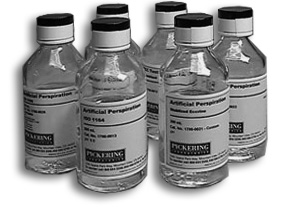 Pickering Test Solutions are now available in bottle sizes of 200 mL, 950 mL and Carboys 10 mL – 20 mL
 From Mrs. Prindables website, “Two fine apples come topped with a fair pair of fowl… sure to be gobbled up with delight. One Triple Chocolate Jumbo apple and one Milk Chocolate Walnut Pecan Jumbo apple topped with our whimsical new turkey ornaments. Make them the centerpiece of your Thanksgiving celebration. Sure to brighten your Fall gathering! Each apple weighs Approx. 1.25-1.5 lbs. Serves 8-10.